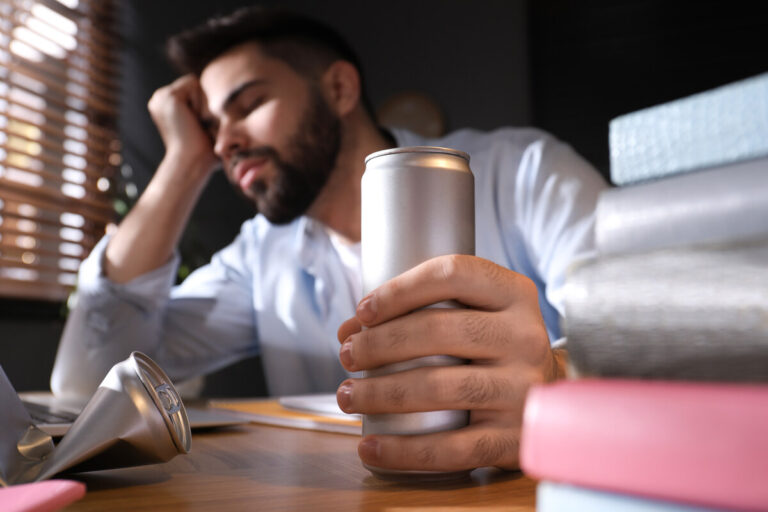


As daylight shrinks, many students feel sleepier, flatter and hungrier for carbs. For some, that pattern is seasonal affective disorder (SAD), a recognized form of depression, and the evidence on what helps is more mixed than most headlines suggest.
What seasonal affective disorder actually is
According to the National Institute of Mental Health, SAD is a type of depression with a recurring seasonal pattern, with symptoms lasting about four to five months a year. The winter pattern is more common than the summer one.
It is not the same as feeling a bit low when the clocks change. NIMH describes a persistent sad, anxious or “empty” mood most of the day, nearly every day, for at least two weeks. The winter pattern often adds oversleeping, overeating with carbohydrate cravings, weight gain and pulling away from friends. A diagnosis requires depressive episodes in the same season for at least two consecutive years.
NIMH says SAD usually begins in young adulthood, occurs much more often in women than in men, and is more common farther north, where winter days are shorter. That makes college age a typical window for a first episode.
How common is it?
Estimates depend heavily on latitude. A Cochrane review of light therapy for preventing SAD puts prevalence between 1.5% and 9%, depending on where people live. Those figures come from the general population, not specifically from students, so they say little about any one campus.
What the evidence says about light therapy
The best-known treatment for the winter pattern is a light box. NIMH describes sitting in front of a 10,000-lux box for 30 to 45 minutes a day, usually first thing in the morning, from fall to spring. The boxes filter out UV light and are considered safe for most people, but people with certain eye conditions, or who take medications that increase sun sensitivity, may need other options or supervision.
As a treatment, the research is fairly encouraging. A 2005 meta-analysis in the American Journal of Psychiatry found that bright light reduced symptoms in seasonal depression (eight studies, effect size 0.84), with an effect comparable to most antidepressant trials. The authors also warned that “many reports of the efficacy of light therapy are not based on rigorous study designs.”
As prevention, the evidence is thin. The Cochrane review found only one eligible trial, with 46 people. In it, 43% (6 of 14) in the bright-light group developed SAD, versus 67% (6 of 9) with no treatment, but the confidence interval was wide enough to include no benefit at all, and the authors rated the evidence as very low quality. Their conclusion was that the choice to start preventive treatment should rest strongly on patient preferences.
Other options NIMH lists
- Talk therapy: a form of cognitive behavioral therapy adapted for SAD was about as effective as light therapy overall, and its effects appeared to last longer over two winters of follow-up.
- Medication: antidepressants usually take 4 to 8 weeks to work, and one extended-release option is FDA-approved to help prevent recurrence. Decisions about it belong with a clinician.
- Vitamin D: study results are mixed, and it can interact with some medications.
What to do with this
This article is general information, not a diagnosis. If your mood dips every winter, or it is getting in the way of classes, sleep or relationships, a good first stop is your campus health or counseling center, which often offers screening and can discuss light therapy safely. If you or someone you know is thinking about suicide, call or text 988 (or chat at 988lifeline.org) at any time. In an emergency, call 911.