
Most people finish brushing by rinsing with water. Health guidance in the UK says that last step may weaken the fluoride you just applied, and the evidence on another common habit, waiting to brush after acidic drinks, turns out to be less settled than many people assume.
Why the NHS says to spit but not rinse
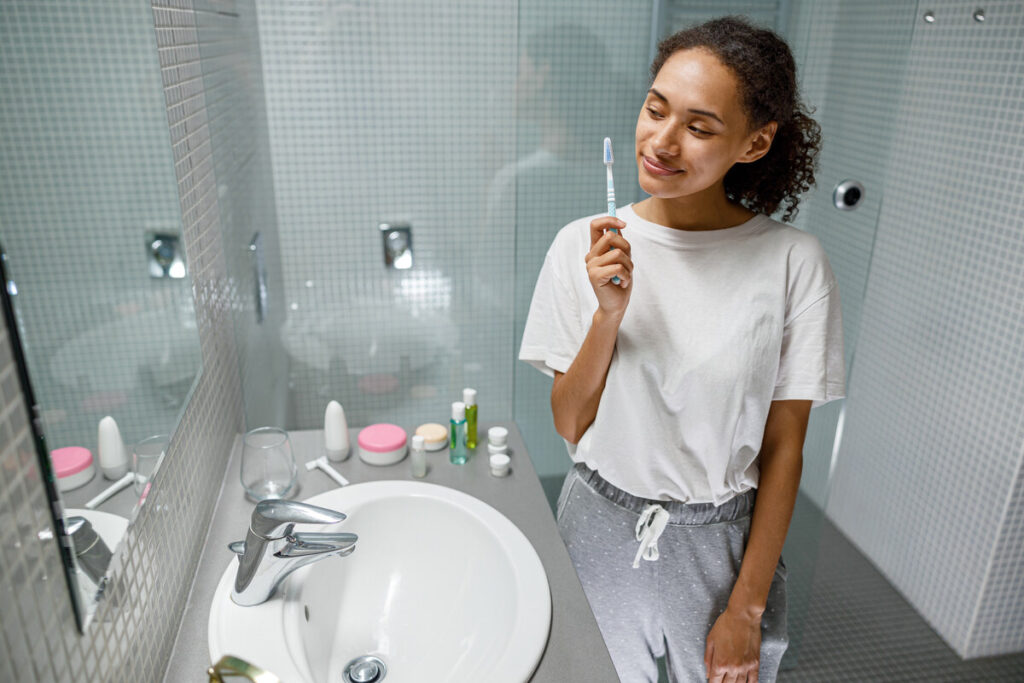
Fluoride toothpaste protects teeth best when some of it stays on them for a while. The UK’s National Health Service advises that after brushing you spit out the excess toothpaste and do not rinse your mouth right away, because rinsing washes away the concentrated fluoride left behind and reduces its protective effect.
The idea is simple. Fluoride helps enamel take back minerals such as calcium and phosphate, makes it more resistant to acid, and can slow acid production by some bacteria in the mouth. A quick rinse with plenty of water dilutes what is left on the surface.
Note that this is a recommendation from a public health agency, not a finding from a single large trial. The reasoning rests on how fluoride works, and it is easy to follow: spit, skip the water, and go about your night.
What American guidance covers
The American Dental Association tells adults to brush twice a day with a soft-bristled brush and an ADA-accepted fluoride toothpaste. Its brushing page does not address whether to rinse afterward, so the “spit, don’t rinse” tip comes from UK guidance rather than from the ADA. If you want a firm answer for your own teeth, your campus dental clinic or dentist can give one.
Do you really have to wait to brush after soda or juice?
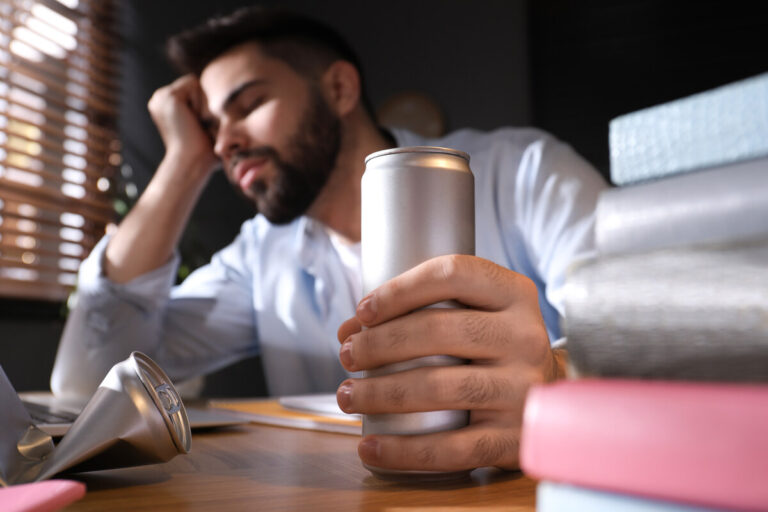
A related piece of advice says to wait 30 to 60 minutes after acidic food or drinks before brushing, so softened enamel is not scrubbed away. A 2024 scoping review in Caries Research looked at exactly this question.
- It covered 17 studies that used human teeth, saliva and fluoride, 16 about erosive tooth wear and 1 about cavities.
- Most of them (10) found that brushing with a fluoride product did not increase erosive wear, whatever the timing.
- A smaller number supported waiting up to an hour (4 studies) or tailoring advice to the person’s own risk (2 studies).
The authors note that the evidence “lacked robust clinical studies”, since most of the data came from in situ experiments rather than long-term trials with patients. Even so, they concluded that brushing with fluoride toothpaste right after an erosive challenge does not appear to raise the risk of tooth wear.
A practical routine for a busy student
- Brush for two minutes with fluoride toothpaste, spit, and skip the rinse or at least wait a few minutes before drinking water.
- If you have just had soda or juice, the research reviewed above suggests brushing with fluoride toothpaste is not likely to harm your enamel, so you do not need to skip your brushing.
- If you have sensitive teeth, frequent heartburn or a history of cavities, ask a dentist whether your routine should change.
Dental advice changes at the margins as researchers test old habits, but the basics hold: fluoride toothpaste, twice a day, and regular checkups. This article is general information, not dental or medical advice, so check with a dentist or your campus health service for questions about your own teeth.